
Navigate Logan's First 2000 Days Model
What is Logan's First 2000 Days Model?
Logan’s First 2000 Days Model identifies 5 evidence-based initiatives, and 5 enablers of systems change that support the critical early years of a child’s life. By intentionally stacking and connecting these initiatives and enablers, we can create an early childhood development system that is accessible to all children – generating and amplifying life-changing impact.
The community co-designed First 2000 Days Model helps bring the outcomes and impacts identified in our Collective Plan to life. Our Roadmap then describes the indicators that show whether we are making progress in line with our shared vision.
Click on the 5 evidence-based initiatives and 5 enablers of systems change in the model to explore more.




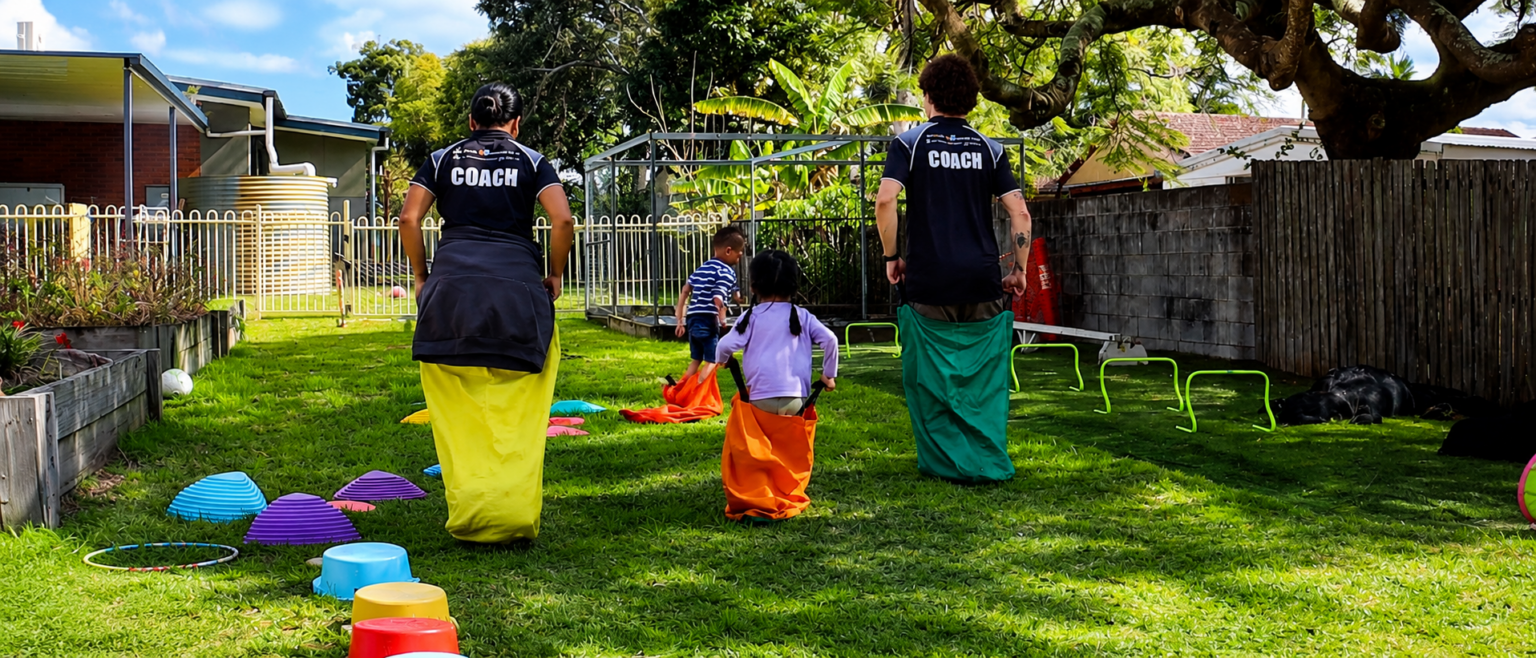
Community Hubsin Logan
Welcoming spaces where families connect, learn, and thrive.
What are Logan’s Community Hubs?
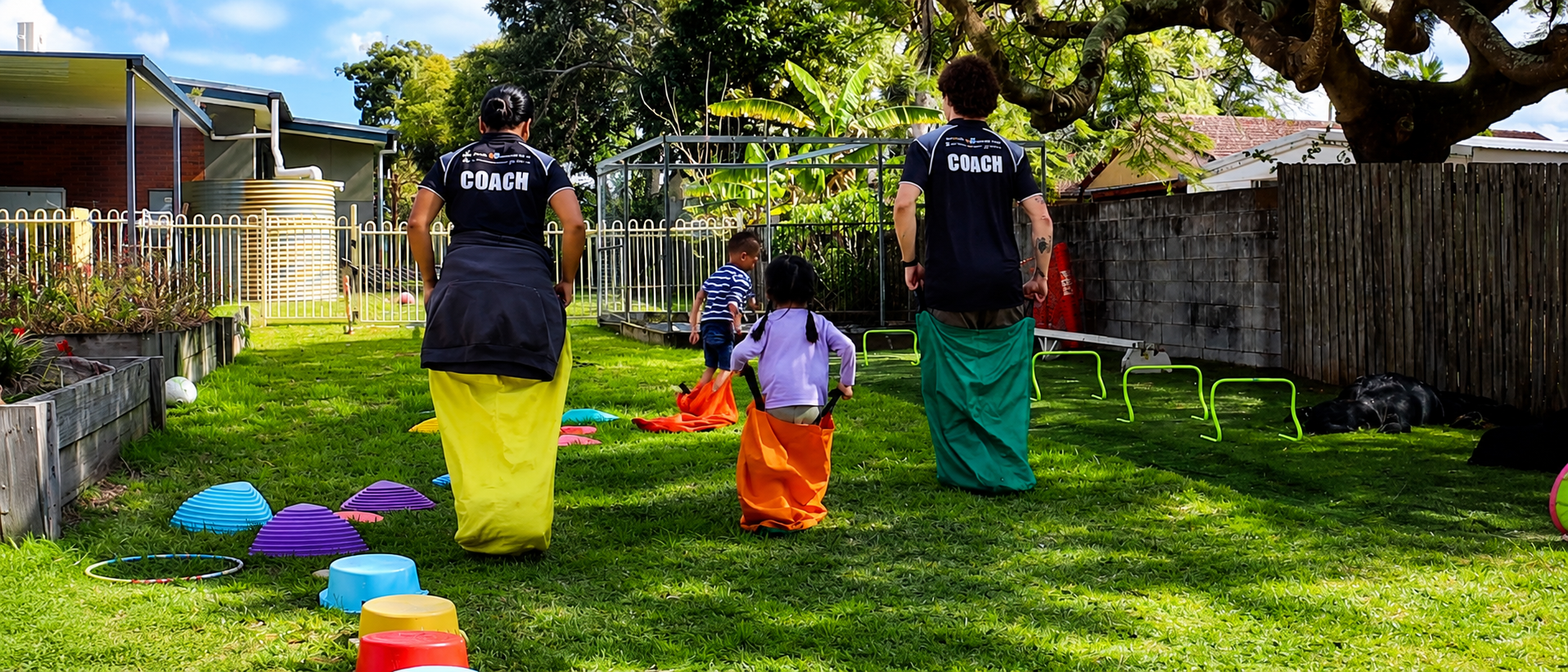
Community Hubs help families connect to each other, to their schools, and to local services and support. They are welcoming, trusted spaces where families with young children can access:
- Early childhood programs and playgroups
- Language and literacy support
- Vocational and learning pathways
- Engagement and cultural activities
- Local services and practical support
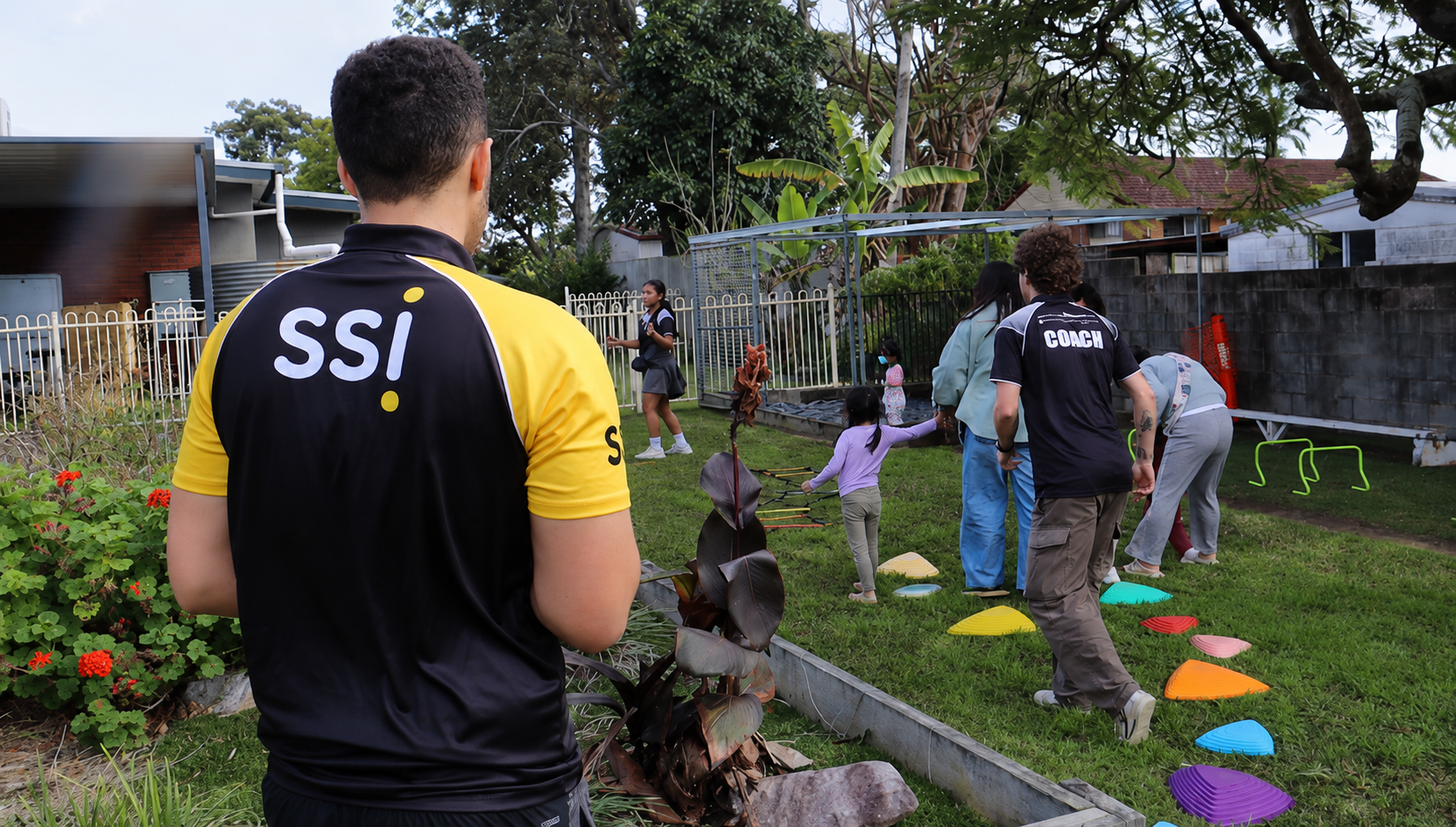
Community Hubs in Logan
Logan is home to a growing network of Community Hubs, each shaped by local families, communities and partnerships. While every Hub reflects the strengths and needs of its community, they work together to help build a stronger, more connected Logan.
Community Hubs in Logan include:

Jinndi Mibunn
Village Connect
Family LinQ
KENG
The Family Place

SSI Gateway
School Hubs across Central Logan
Berrinba
Why Community Hubs Matter
Safe, Welcoming and Accessible Spaces
- Hubs create environments where families feel comfortable and included.
- Physical spaces are welcoming, safe, and accessible.
- Families of all backgrounds feel at home.
- Spaces are inclusive of diverse cultures and needs.
- Hubs are culturally safe, inclusive, and responsive.
- Physical environments, signage, artwork, and food reflect and respect cultural needs.
- Programs and staffing meet cultural expectations and build trust.
- Some Hubs cater to specific cultural communities while celebrating diversity across all cultures.
Holistic, Co-Located and Integrated Support
- Hubs bring together services, schools, and families to provide joined-up support.
- Knowledge is shared across organisations to build best practice.
- Programs generate innovation in community services.
- Resources are optimised to ensure efficient delivery.
- Families experience smooth transitions and referral pathways.
Wrap-around opportunities include:
- Advocacy and leadership pathways
- Access to child health services
- Skills development and vocational pathways
- English language and literacy classes
- Playgroups and early learning support
Community co-design
Hubs are designed with and by community, with families and residents actively shaping programs through ongoing dialogue that strengthens relevance, ownership, trust and long-term sustainability.
Flexible and Adaptable Approach
Hubs balance consistency with flexibility, adapting programs and activities to emerging community needs while maintaining enough structure to build trust, relevance and lasting impact.
The challenges for Community Hubs
Sustainable funding
Long-term, flexible funding that supports stability and continuity, allowing Community Hubs to respond to local needs, build trusted relationships, and deliver consistent programs for families over time.
Physical space that is suitable for program offerings
Welcoming, accessible, and culturally safe spaces co-designed with community – enabling a range of programs, services, and activities to be delivered in a way that feels safe, inclusive, and easy for families to engage with.
The impact of Community Hubs in Logan
of parents and caregivers strongly agree that coming to the Hub has helped them to understand the school better
[1] Community Hubs Australia Census reports 2025. Survey respondents n=235.
of parents/caregivers reported attending activities and events at the school a lot more than before coming to the Hub
[1] Community Hubs Australia Census reports 2025. Survey respondents n=235.
of parents strongly agree that coming to the Hub has helped them to support their child with their education
[1] Community Hubs Australia Census reports 2025. Survey respondents n=235.
Logan Together's vision for Logan’s Community Hubs
Right now, Community Hubs in Logan are under-resourced and stretched beyond what they are funded to deliver.
Our vision is for Community Hubs to be sustained through long-term, flexible funding that matches their impact – enabling them to continue as trusted, community-led spaces that support children and families to thrive.
Resource Hub
A one-stop place for families and partners: