
Navigate Logan's First 2000 Days Model
What is Logan's First 2000 Days Model?
Logan’s First 2000 Days Model identifies 5 evidence-based initiatives, and 5 enablers of systems change that support the critical early years of a child’s life. By intentionally stacking and connecting these initiatives and enablers, we can create an early childhood development system that is accessible to all children – generating and amplifying life-changing impact.
The community co-designed First 2000 Days Model helps bring the outcomes and impacts identified in our Collective Plan to life. Our Roadmap then describes the indicators that show whether we are making progress in line with our shared vision.
Click on the 5 evidence-based initiatives and 5 enablers of systems change in the model to explore more.




Cultural Development
Culture is fundamental to Logan and its people.
Cultural Development
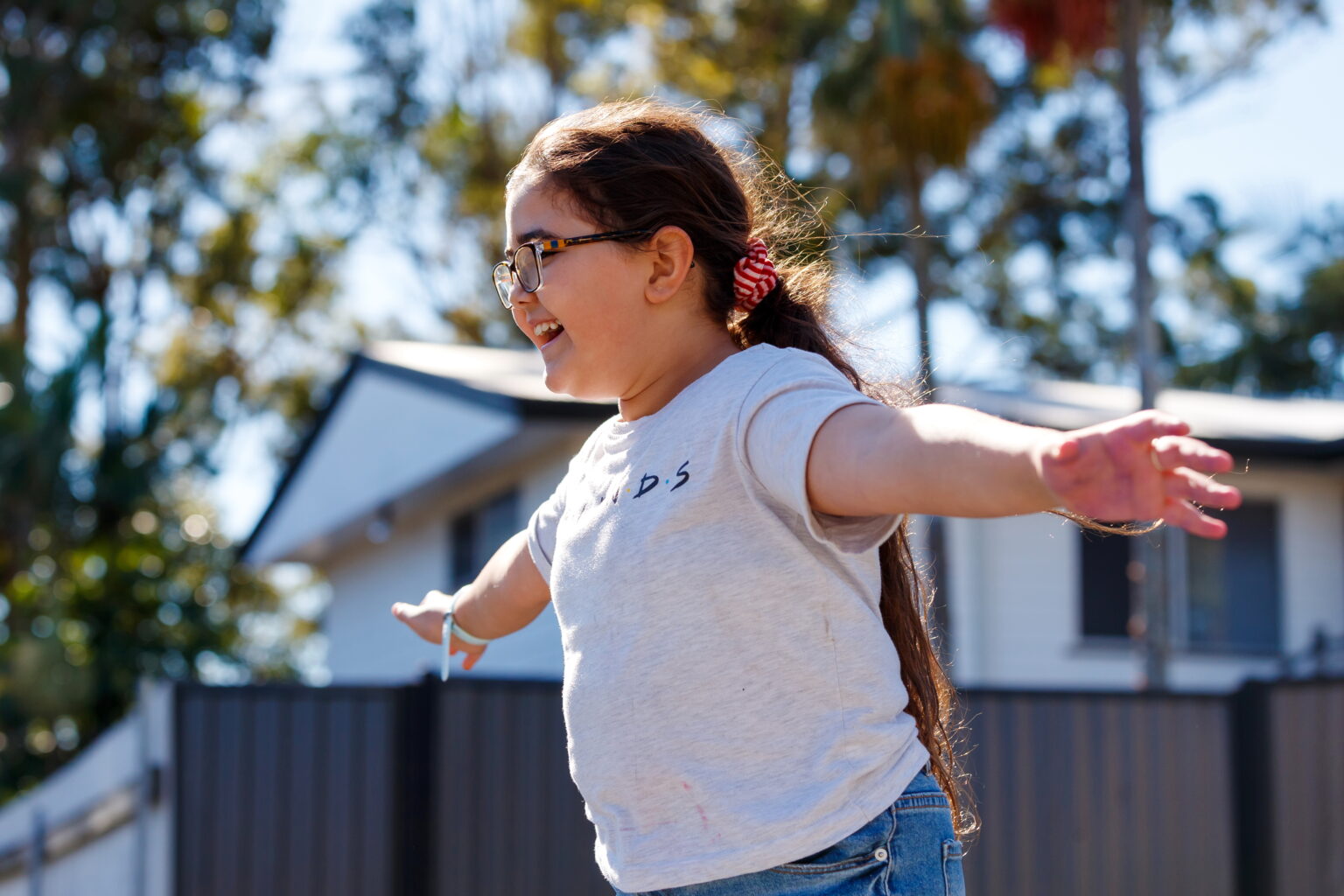
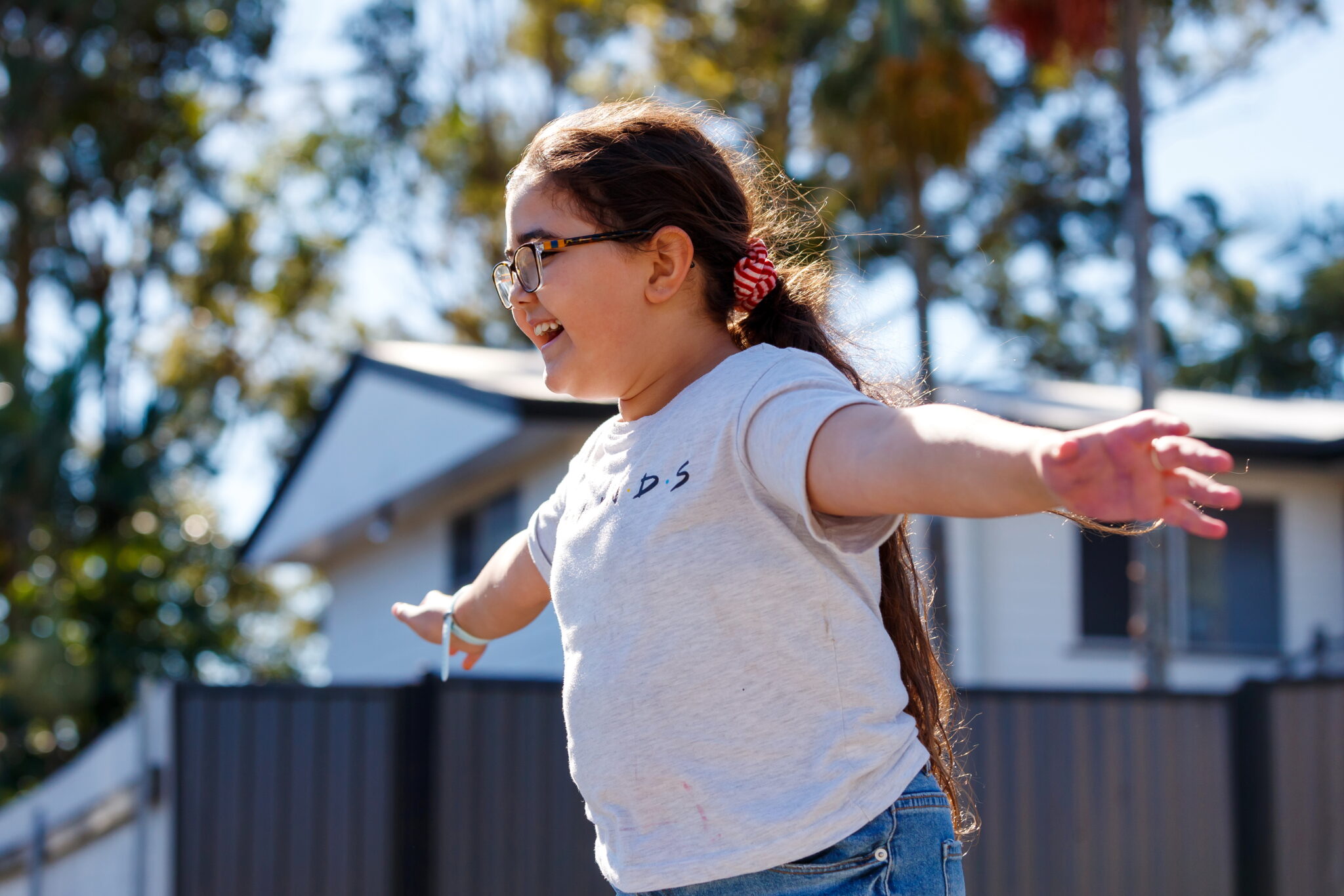
Culture is fundamental to Logan and its people. Home to more than 230 cultures and recognised as one of Australia’s most culturally diverse local government areas, Logan’s strength lies in the many cultures, languages, histories and lived experiences that shape our city. Cultural development is therefore a key enabler of Logan’s First 2000 Days Model, as delivering quality services and supports in Logan must be done in a way that is culturally safe. Everyone who works with Logan’s children and their families should be culturally competent. Our community organisations support workforces to develop these skills.
We begin with First Nations First, a central pillar of our work, and a key focus of our Collective Plan and Roadmap.
The impact of Cultural Development
Cultural development is already strengthening practice, leadership and decision-making across Logan’s service system.
First Nations Training has been delivered to:
- Entire South-East Region team of Queensland Department of Child Safety.
- Senior leadership of Queensland Police Commission, South-East Region.
- Full team of Queensland Family and Children’s Commission.
- Federal Department of Social Services via Stronger Places, Stronger People team.
- Logan Together Leadership Table, Board, and Action Group.
- Entire teams within Logan Together partner agencies.
- Logan Together Focus Community backbone teams and Leadership Tables.
Why Cultural Development matters
Celebrating, Preserving, and Sharing Culture
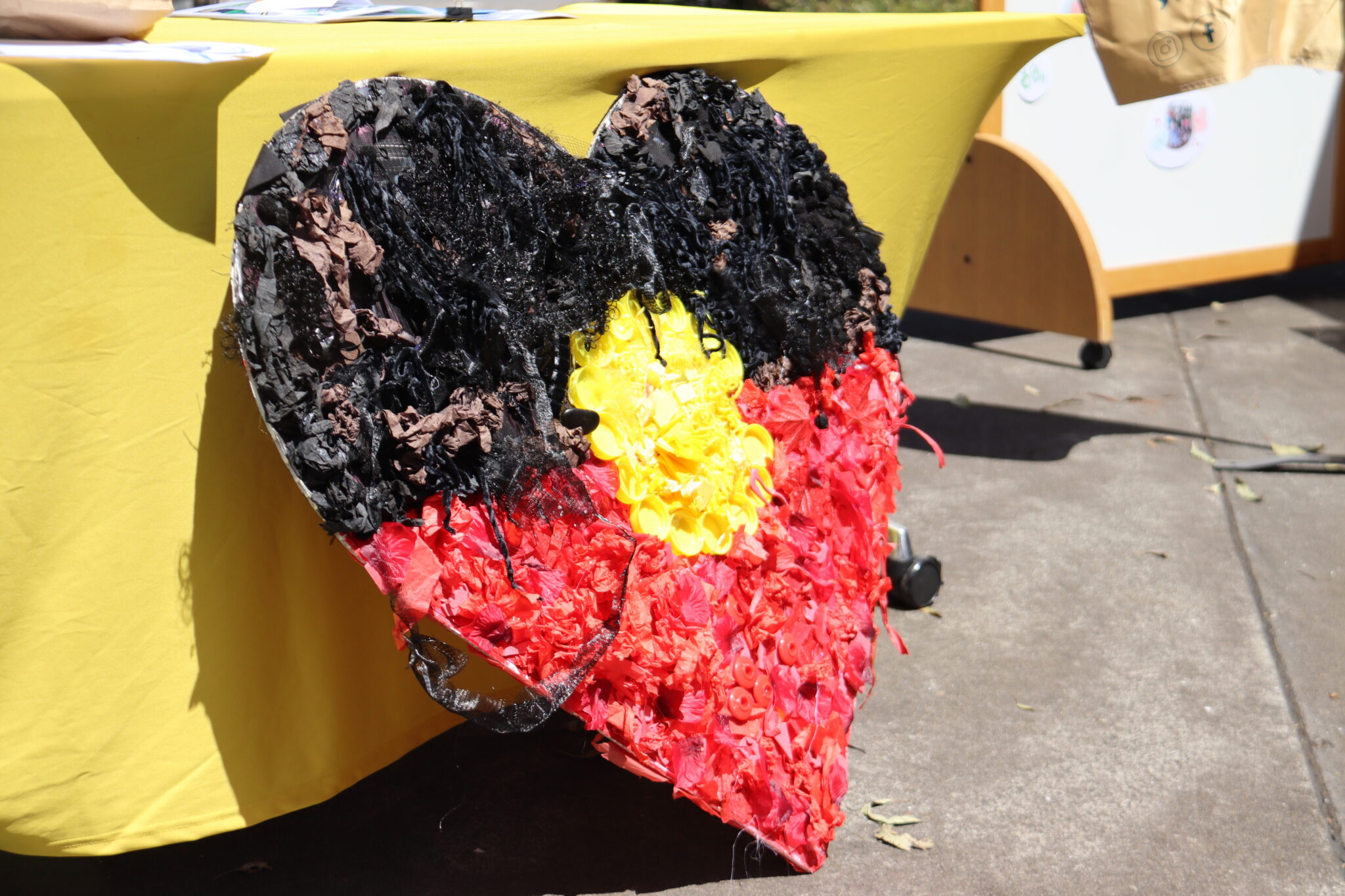
We work alongside Logan’s Aboriginal and Torres Strait Islander communities to celebrate, preserve, and strengthen culture. Through truth-telling, storytelling, arts, community programs and leadership initiatives, we support local voices, knowledge and cultural leadership, recognising the strength and continuity of First Nations culture in Logan.
First Nations First Training
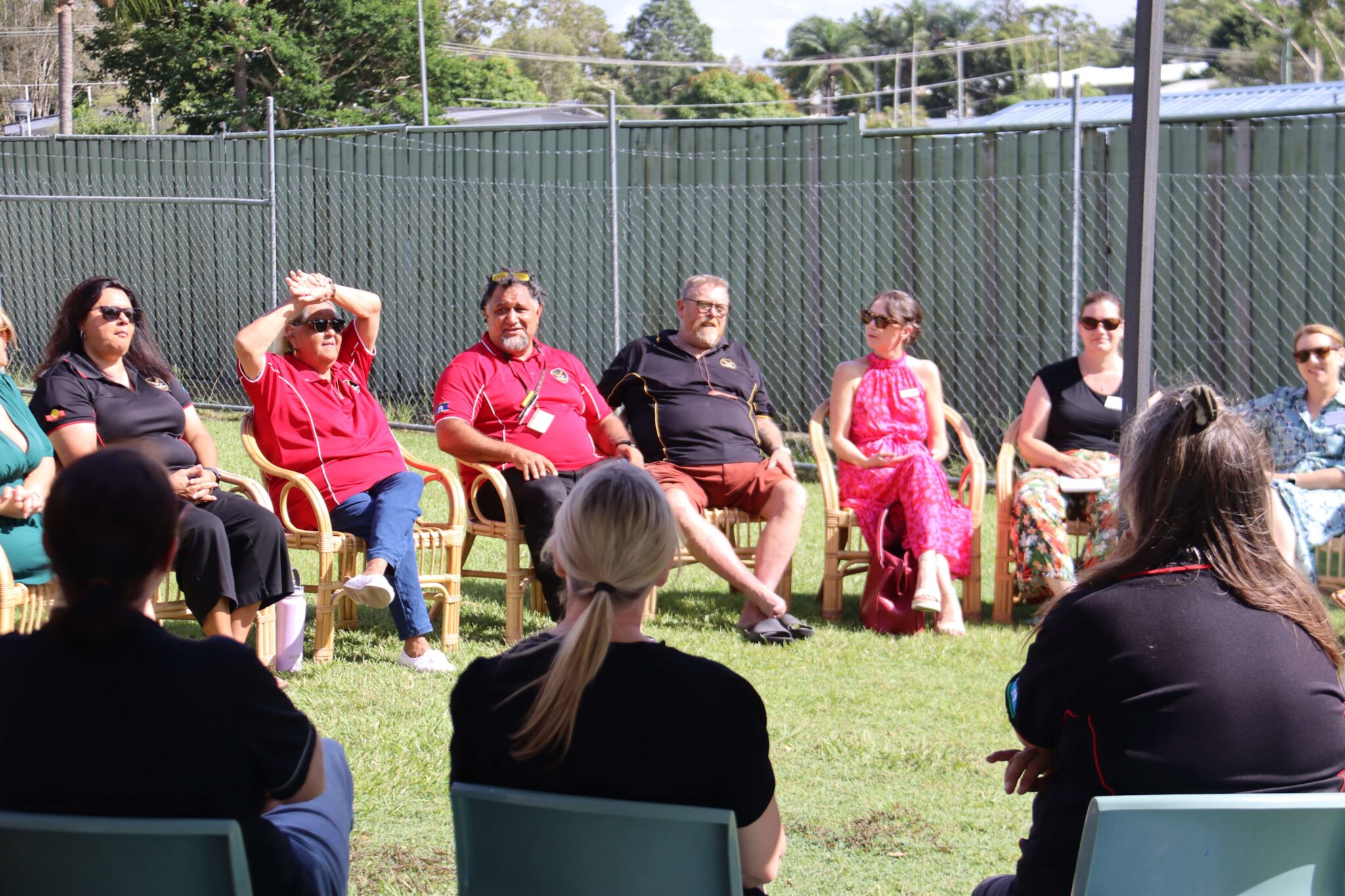
Training and learning supports practitioners, policy-makers, and community members to shift from a Western perspective to a culturally informed lens. By centring First Nations knowledge, values and practices, participants learn to engage respectfully, work inclusively, and make decisions that honour Aboriginal and Torres Strait Islander communities.
Led by a senior cultural leader and member of Gnirigomindala Karulbo, this program:
- Highlights the importance of family connections and cultural narratives
- Provides insights into intergenerational experiences of trauma
- Offers a safe space to learn about colonisation without judgement
Participants gain a deeper understanding of First Nations perspectives and how to engage respectfully with communities.
To learn more about the training through Ngiyambalgarra Consultancy, click below.
Pasifika and Māori Cultural Safety Training
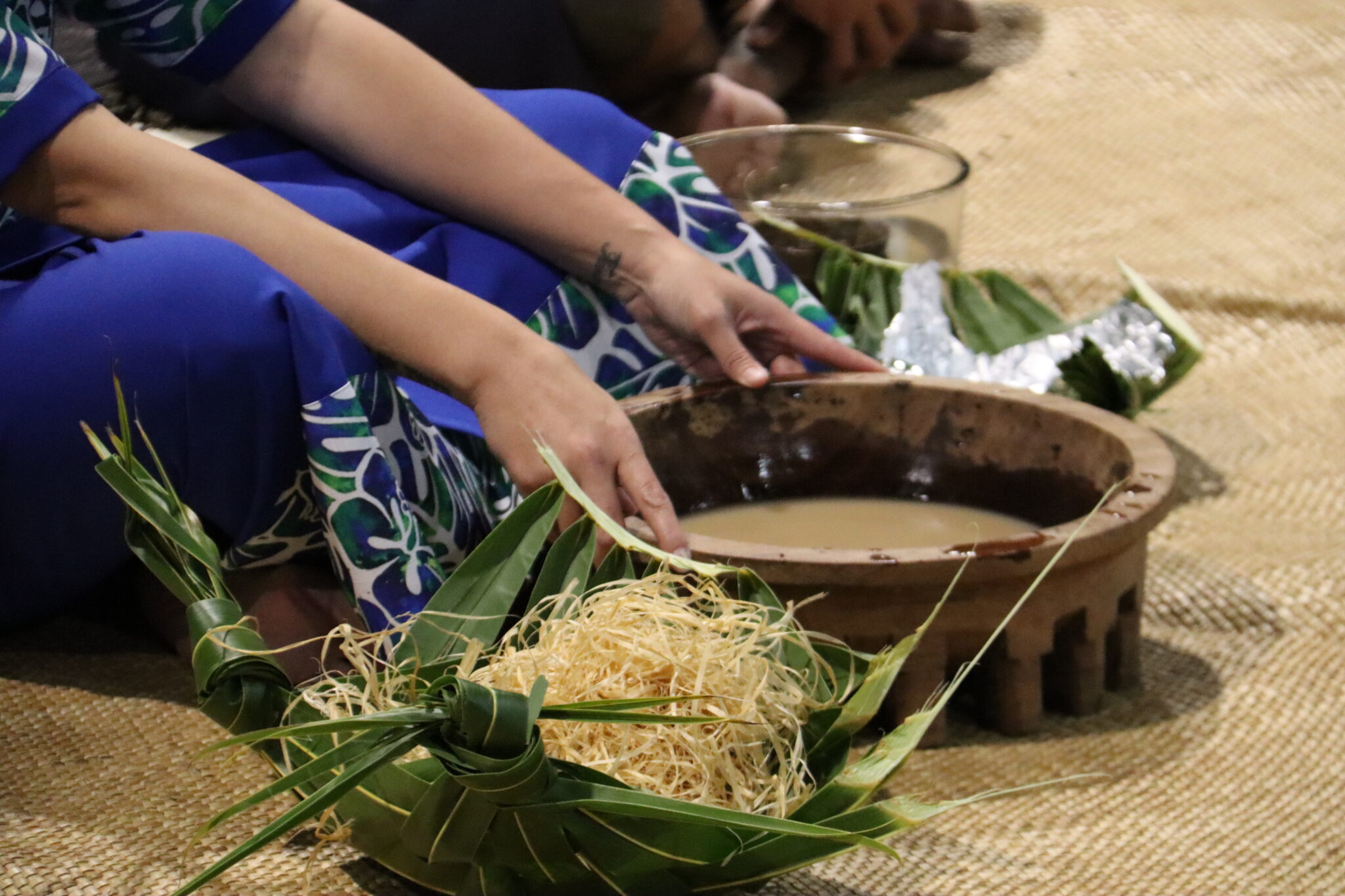
Cultural development in Logan reflects the strength and leadership of our Pasifika and Māori communities.
Through community-led training, practitioners and organisations build a deeper understanding of cultural identity, values, family structures and community connection. This supports more meaningful engagement with Pasifika and Māori children and families, grounded in respect, relationships and cultural integrity.
Training supports participants to:
- understand the role of family, faith and community
- strengthen culturally responsive communication and engagement
- build trust through culturally grounded approaches
Delivered in partnership with Village Connect, this training ensures cultural knowledge is shared by those who live and lead within community.
To explore Village Connects cultural safety training, click below.
Multicultural and Diversity Training
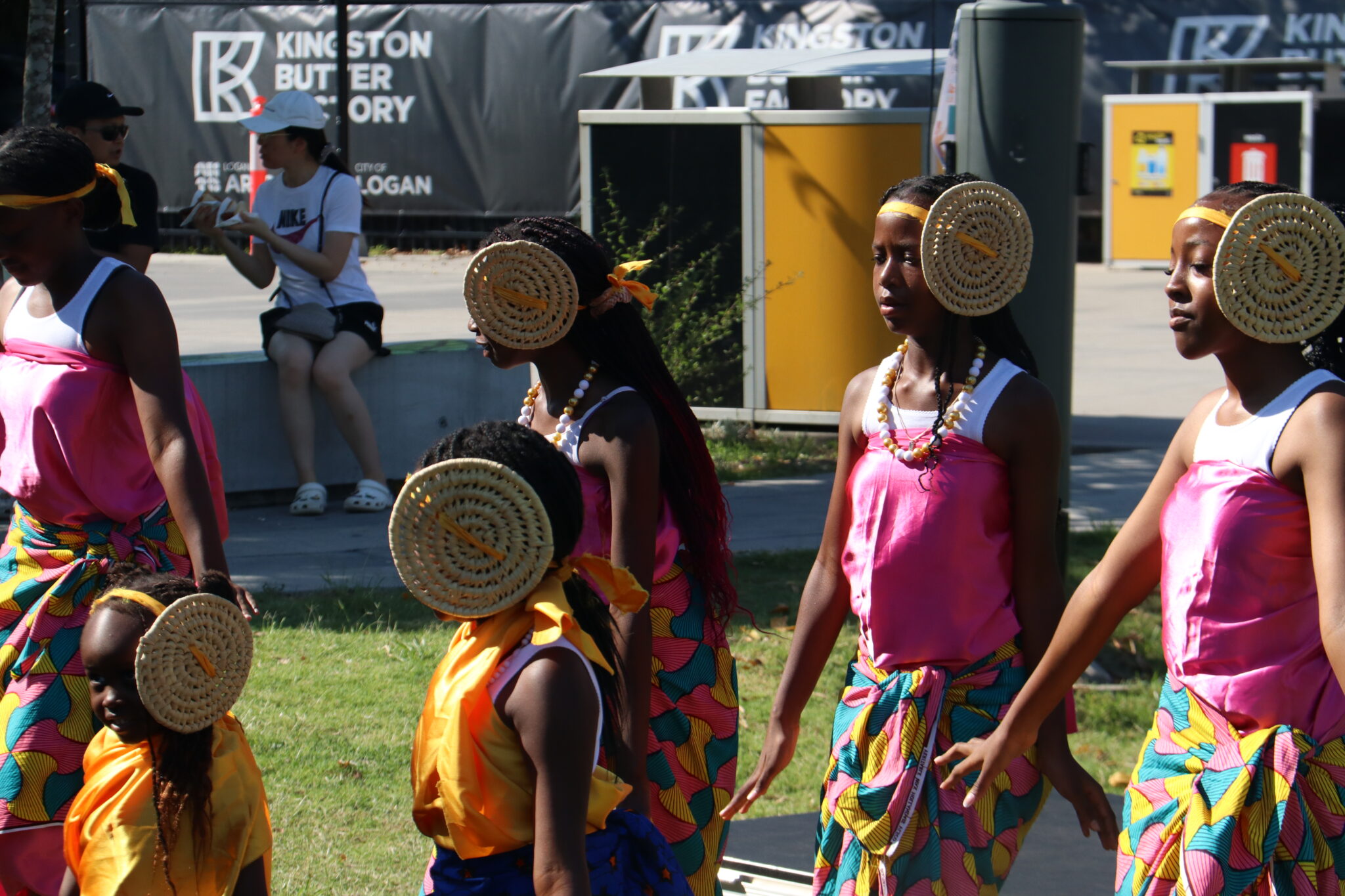
Logan is one of the most culturally diverse communities in Australia, and this diversity is a key strength of our city.
Through multicultural and diversity training, practitioners are supported to build the knowledge, confidence and skills needed to work effectively across cultures, languages and lived experiences.
Training supports participants to:
- understand the experiences of migrant and refugee communities.
- respond to cultural diversity with sensitivity and respect.
- navigate language, access and inclusion barriers.
- build inclusive and culturally safe environments.
Delivered in partnership with Settlement Services International, this training connects services and community in culturally responsive ways.
To learn more about multicultural and diversity training through Settlement Services International, click below.
Embedding cultural capability in practice
A DEADLY lens is applied across all NEST domains, supporting holistic wellbeing across the community ecosystem. By embracing First Nations ways of knowing, we move beyond Western structures to create intrinsic, culturally grounded ways of working that prioritise connection, respect, and community strengths.
DEADLY lens created by Louisa Whettam, Ngiyambalgarra Consultancy.
The approach ensures lasting impact by embedding the DEADLY lens within agencies and providing ongoing support through:
- Reflection and follow-up workshops.
- Mentoring for staff and community members.
- Resourcing booklets for continued learning.
This fosters sustained cultural understanding, practice improvement, and meaningful engagement with First Nations communities.
Challenges
Demand for cultural development work is growing, but the infrastructure to sustain it has not yet caught up.
Limited funding, with Communities for Children funding ending in 2026.
Small team faces key person risk while training emergent leaders.
National and state-wide demand exceeds team capacity.
No dedicated funding or investment for program evaluation.
Ongoing support is essential to continue building cultural capability and meet growing demand across Logan and beyond.
Community Quotes
How to Engage
Cultural development depends on people and organisations being willing to learn, reflect and strengthen the way they work alongside Logan’s children, families and communities.

For Community Members
- Join cultural awareness workshops and immersion programs.
- Share knowledge and connect with First Nations Elders and leaders in your community.

For Practitioners and Organisations
- Embed cultural knowledge and practices into your workplace.
- Partner with community initiatives to support First Nations-led programs.
- Participate in: