
Navigate Logan's First 2000 Days Model
What is Logan's First 2000 Days Model?
Logan’s First 2000 Days Model identifies 5 evidence-based initiatives, and 5 enablers of systems change that support the critical early years of a child’s life. By intentionally stacking and connecting these initiatives and enablers, we can create an early childhood development system that is accessible to all children – generating and amplifying life-changing impact.
The community co-designed First 2000 Days Model helps bring the outcomes and impacts identified in our Collective Plan to life. Our Roadmap then describes the indicators that show whether we are making progress in line with our shared vision.
Click on the 5 evidence-based initiatives and 5 enablers of systems change in the model to explore more.




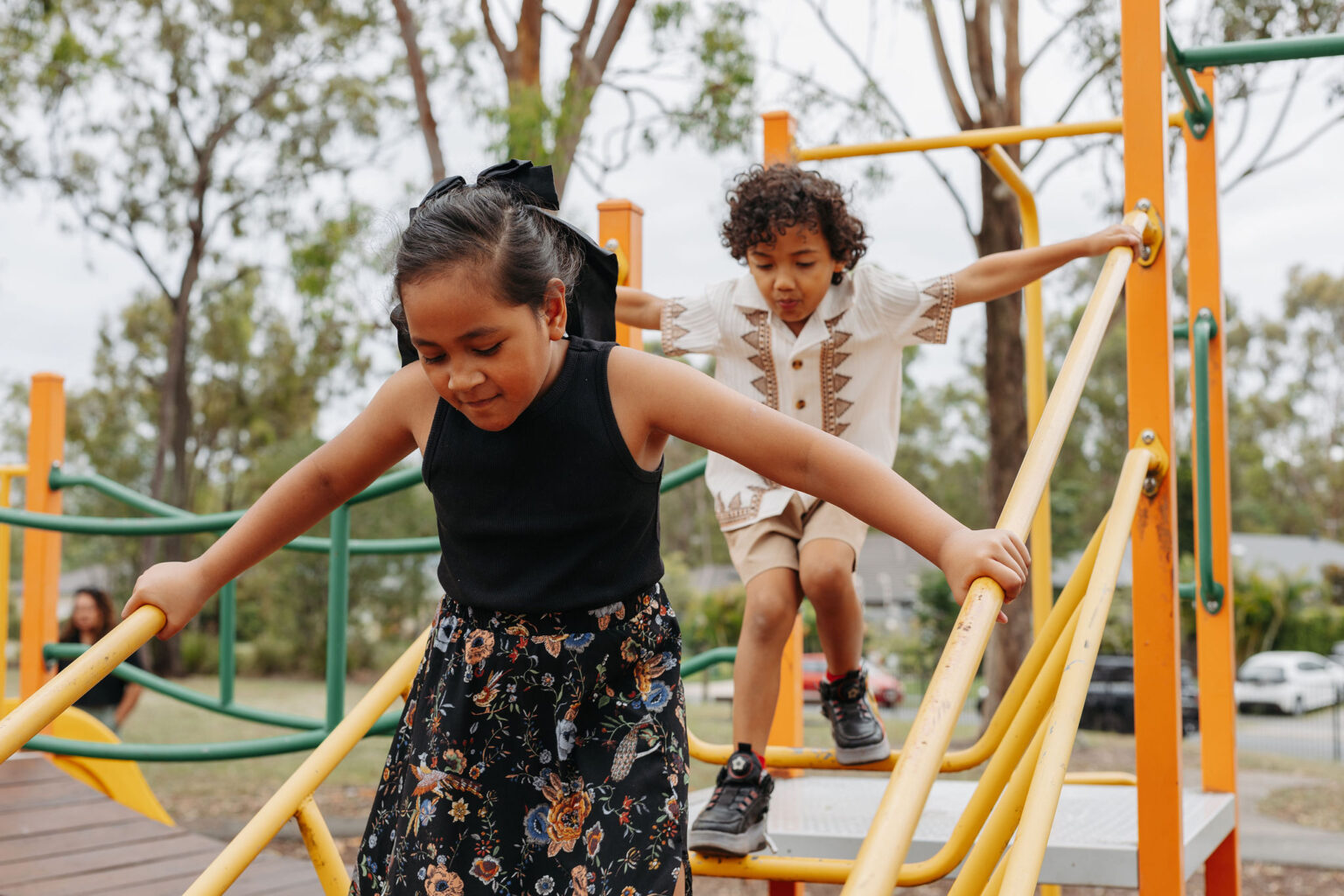
High-Quality Play
Play is how children learn, grow, and build the skills for life.
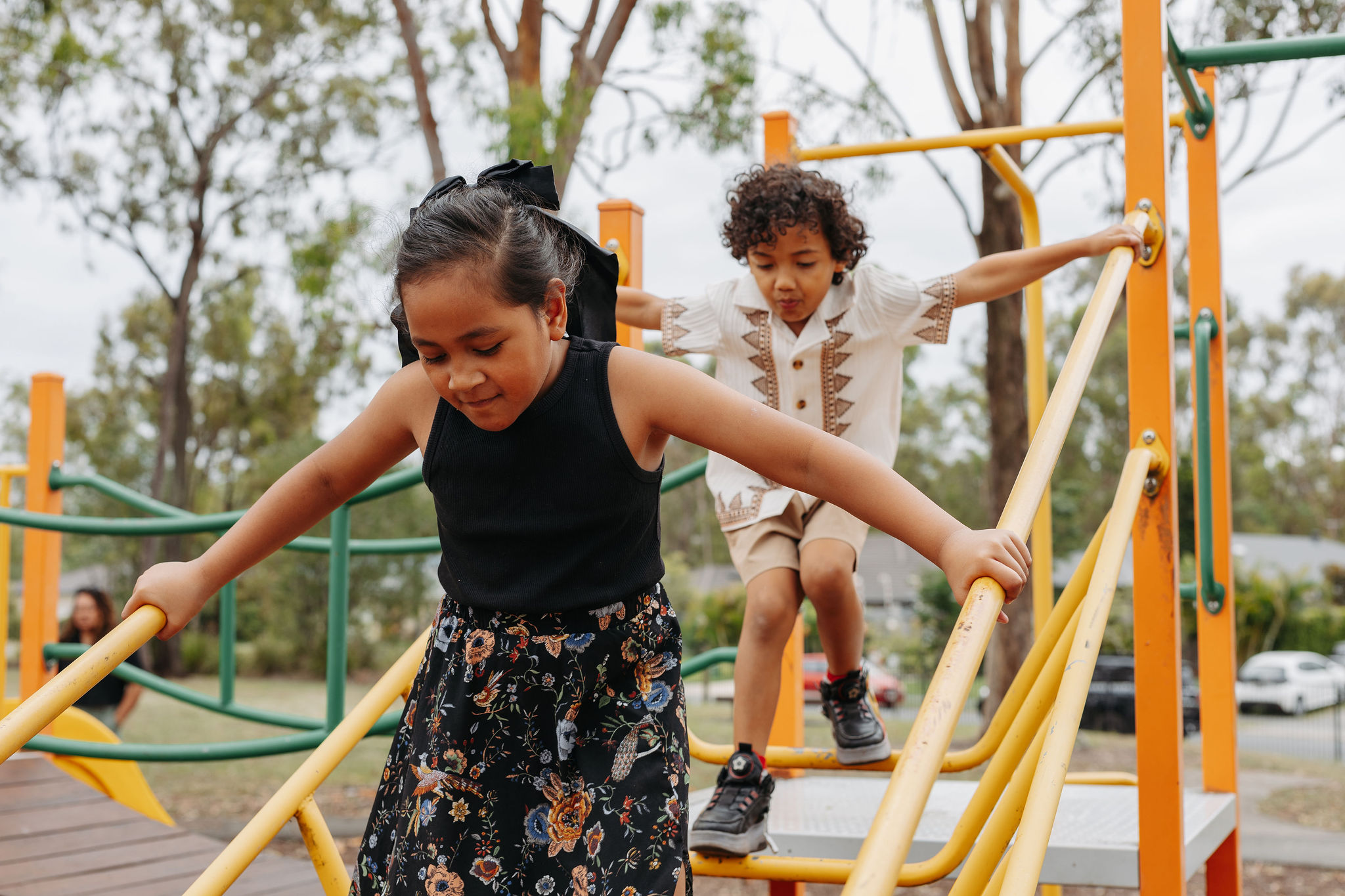
What is High-Quality Play?
Play is how humans have learned and thrived throughout history. Children are naturally drawn to play and have an inbuilt drive to explore, experiment, and imagine.
High-quality play is:
- Child-led – Children choose what and how they play
- Open-ended – No set outcomes, encouraging creativity and problem-solving
- Engaging – Deep focus, joy, and persistence
- Social – Builds communication, empathy, and cooperation
- Challenging – Encourages risk-taking in safe, supportive environments
Through play, children make sense of their world, develop essential skills, and connect with others.
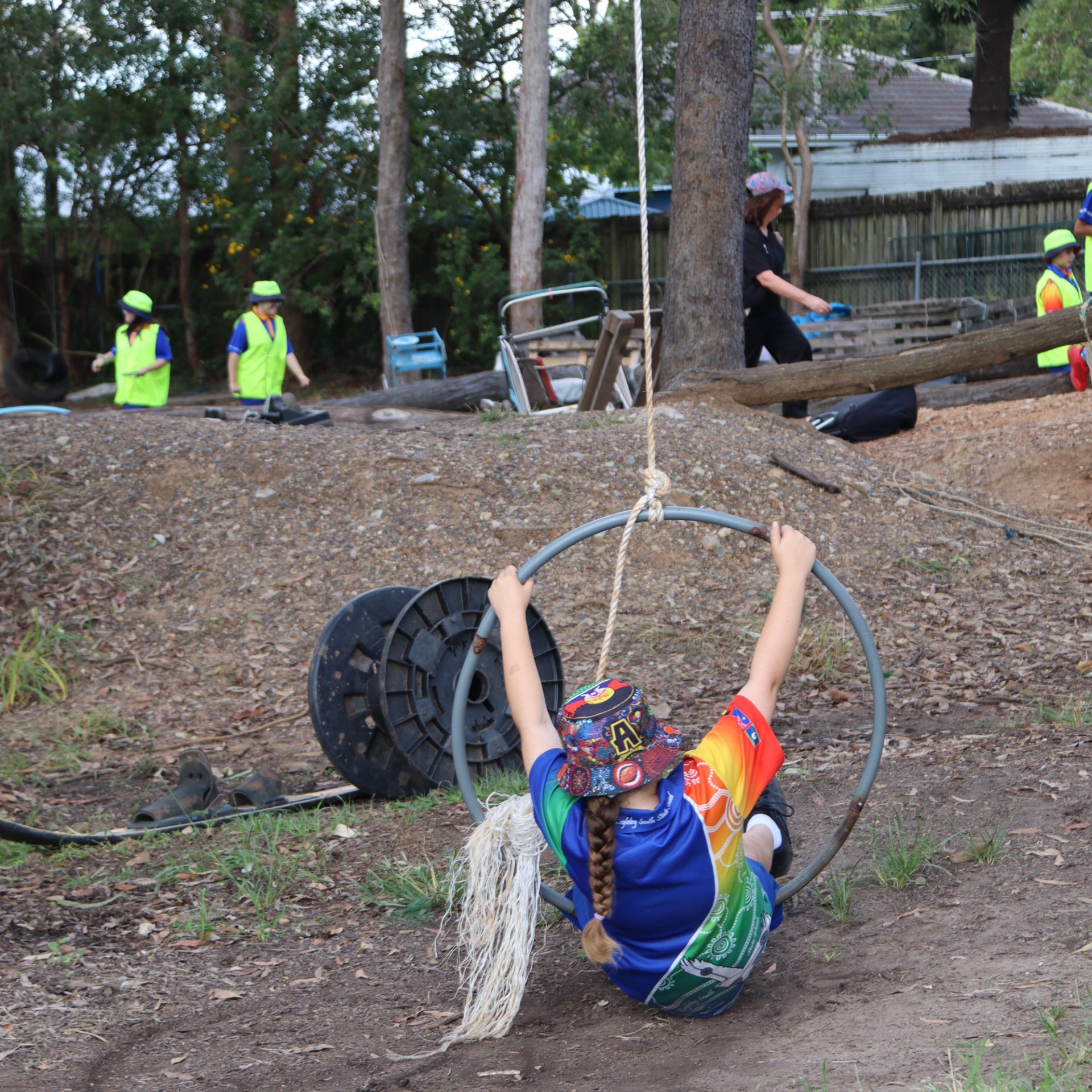
At Logan Together, High-Quality Play is about giving children greater agency by involving them in decisions about the spaces and opportunities created for their play. This approach was brought to life through Joomunjie Land, Queensland’s first Community Backyard and Adventure Play space, which was co-designed and co-created by local children. Through the Australian Institute of Play (AIP), Eagleby children designed, built, marketed, and launched the playground for local children. Two of the three existing Community Backyards in Australia are now in Logan1, with AIP supporting children to access and design their own play.
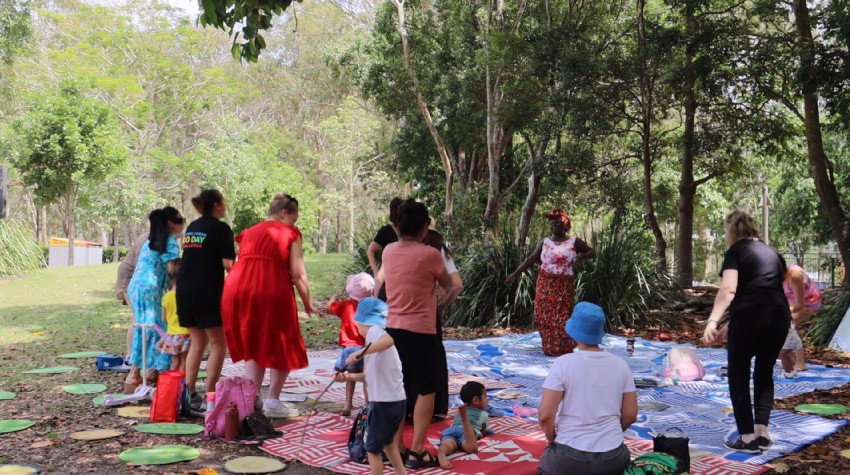
High-Quality Play also comes to life through community-led initiatives such as Play Your Way Around the World, which creates inclusive play experiences that celebrate Logan’s rich cultural diversity. By bringing families together through play, storytelling, games and cultural traditions, the initiative helps children build confidence, belonging, social connections and curiosity, while reinforcing that play can happen anywhere – in parks, neighbourhoods, community hubs and everyday spaces.
This work also extends into the earliest years through Mums n’ Bubs Logan playgroups, which provide welcoming, community-led spaces where babies, young children and their parents and carers can connect, build relationships and support early development through play.
Critical success factors for High-Quality Play in these two Community Backyards are aligned to the psychological sense of community2 and include good practical advice and support about how to set up and maintain a Community Backyard safely, professional development that supports ‘risky play’ and an understanding between different parties that authorise the space.
Increasing play opportunities throughout Logan helps grow thriving children who are mentally, emotionally, and physically competent.
[1] Joomunjie Land at Eagleby South State School and Freedom Fortress in Yarrabilba
[2] Psychological Sense of Community; Littman, 2024
The impact of High-Quality Play
What the Research Shows
- Play-based learning strengthens problem-solving and creativity
- Children in high-quality play environments show stronger self-regulation and resilience in school
- Rich play access is linked to improved wellbeing and social skills
- Communities that support play see increased family connection and engagement
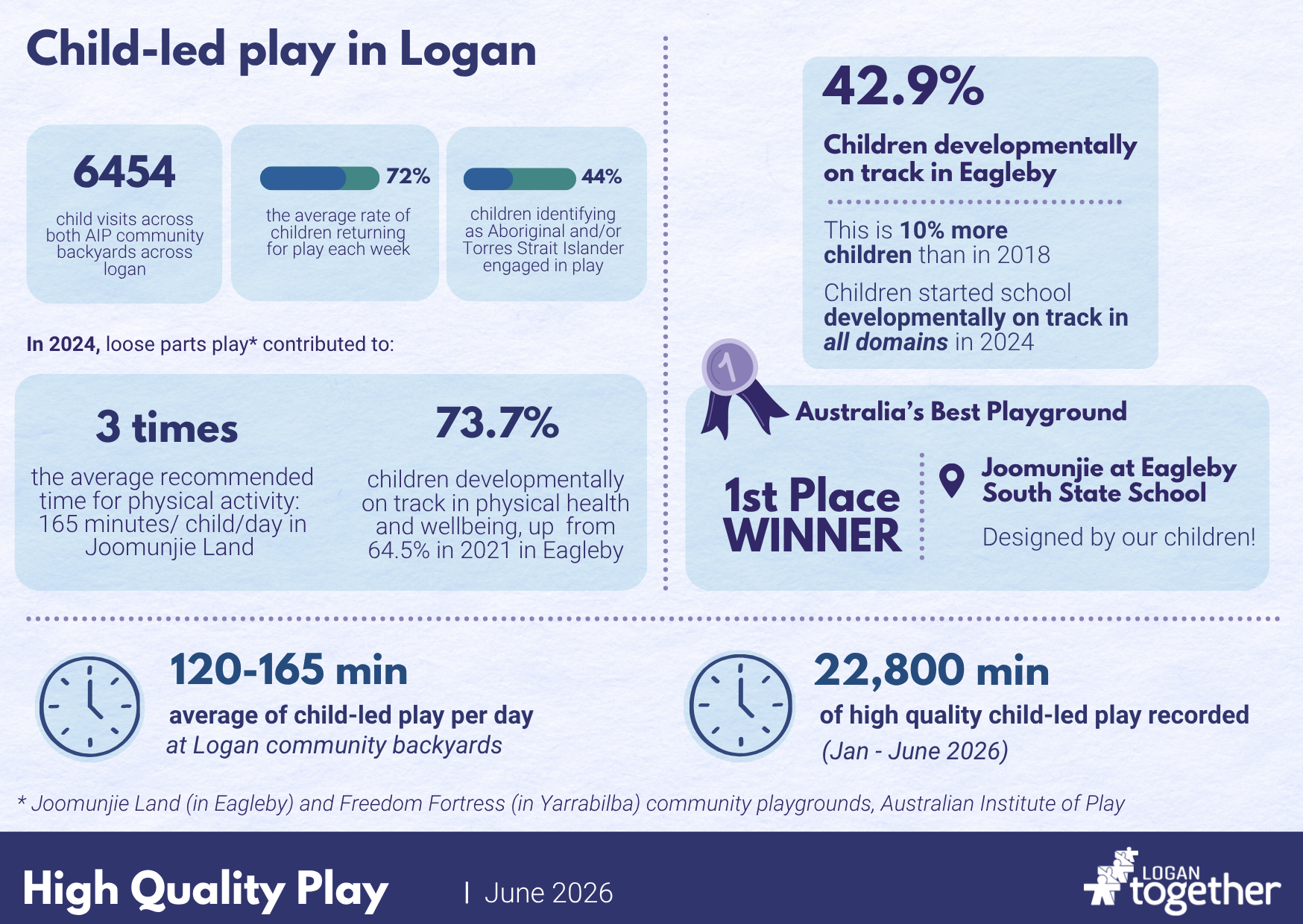
Logan’s Play Impact – Current Status
Our partners and friends, Australian Institute of Play have recorded the following outcomes:
Why High-Quality Play Matters
High-quality play supports every area of a child’s development:
- Cognitive – Problem-solving, reasoning, and creativity
- Social – Cooperation, empathy, and communication
- Emotional – Confidence, resilience, and self-regulation
- Language – Vocabulary, storytelling, and comprehension
- Physical – Coordination, balance, and strength
This approach recognises that children learn best when they are actively engaged, supported, and given time and space to play.
High Quality Play affords children the opportunity to build strong social connections and look after themselves and others while navigating and building on their abilities to judge their safety and risk in supportive environments. This in turn helps adults to understand and perceive the capabilities and strengths of children differently too.

The challenges for high-quality play in Logan
The Logan community has identified high-quality play as essential for healthy brain development. With co-designed play strategies already in place, Logan is ready to deliver. However, several systemic barriers limit children’s access:
- Limited access to loose parts play in local natural environments
- Play is not prioritised in Queensland’s systemic response to childhood development, resulting in a lack of funding
- Skill and knowledge gaps in facilitating child-led, free play
Addressing these barriers will ensure all children can benefit from the proven gains of high-quality play.
Who's Involved?
High-quality play is supported by families, educators, community groups, and play advocates, including:
- Early Childhood Education and Care centres
- Community hubs and libraries
- Local councils and parks teams
- Cultural and community leaders
- Child development specialists
- Play-centred organisations: Play Australia, Australian Institute of Play, Amnesty International
Resource Hub
Browse free tools and materials to support and inspire high-quality play:
Videos
Stories from the Community
Community Quotes
How You Can Support High-Quality Play

For Families & Carers
- Provide children with regular unstructured play time.
- Offer open-ended materials (blocks, nature items, art supplies).
- Join in when invited – but let children lead.
- Use local parks and nature spaces for outdoor play.
- Join the Mums N Bubs Logan Playgroups.
- Join Play your way around the world playgroup.

For Services & Organisations
- Design environments with safe but challenging play opportunities.
- Provide training on facilitating child-led play.
- Embed play-based learning approaches in programs.
- Share resources with families to support play at home.

Explore Logan's First 2000 Days Model
What is Logan's First 2000 Days Model?
Logan’s First 2000 Days Model identifies 5 evidence-based initiatives, and 5 enablers of systems change that support the critical early years of a child’s life. By intentionally stacking and connecting these initiatives and enablers, we can create an early childhood development system that is accessible to all children – generating and amplifying life-changing impact.
The community co-designed First 2000 Days Model helps bring the outcomes and impacts identified in our Collective Plan to life. Our Roadmap then describes the indicators that show whether we are making progress in line with our shared vision.
Click on the 5 evidence-based initiatives and 5 enablers of systems change in the model to explore more.
Explore the Focus Communities
Who are the Focus Communities
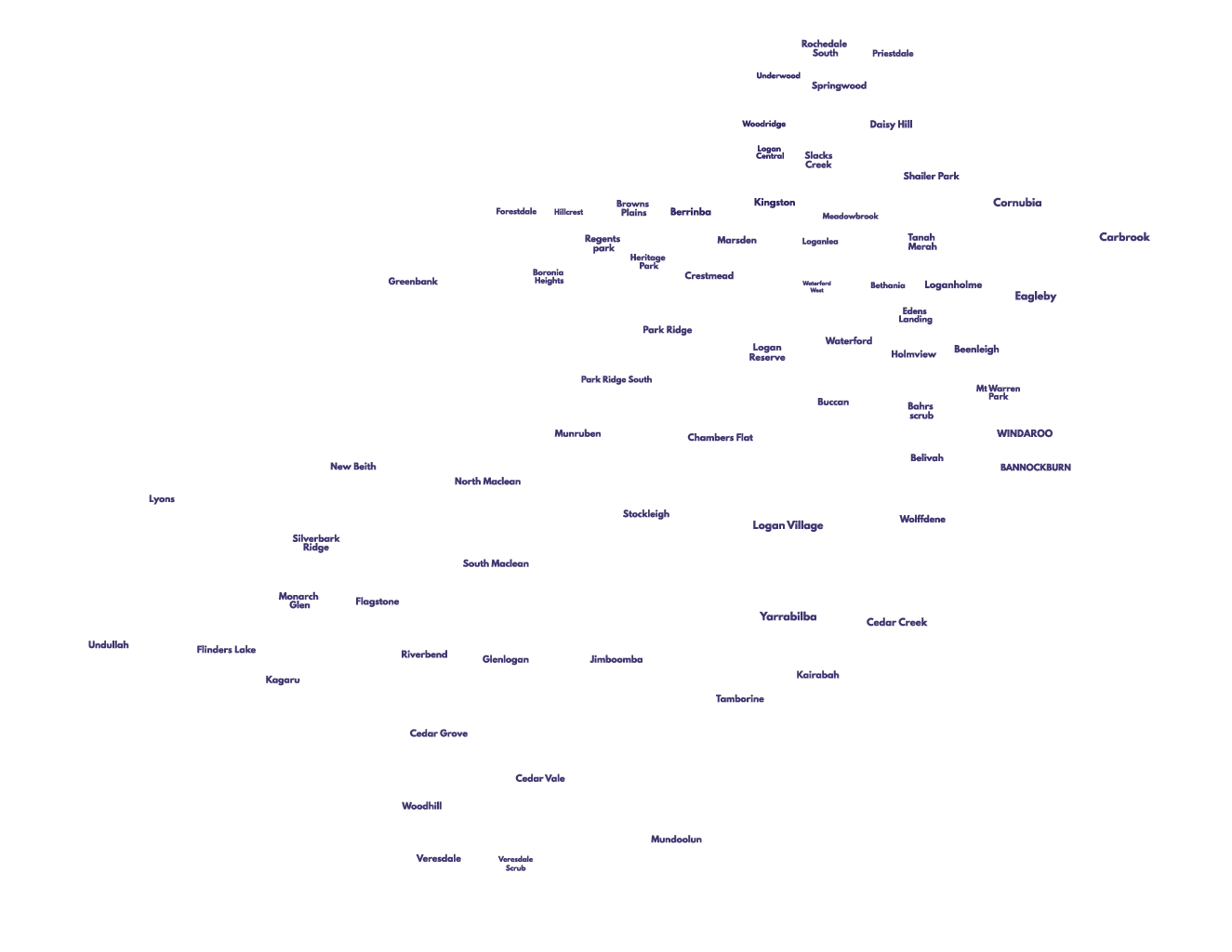
Logan Together supports five Focus Communities unique yet connected through the Logan Together Backbone Team and a Focus Community Network.
Three Focus Communities are geographic – identified by place, and Two Focus Communities are cultural – cultural connections that are woven throughout Logan.
Tap an area to highlight it, then use the button to open its page.